Daily Man Routine Composition: Evaluating Its Role in Modern Visual Design
Understanding Daily Man Routine Composition
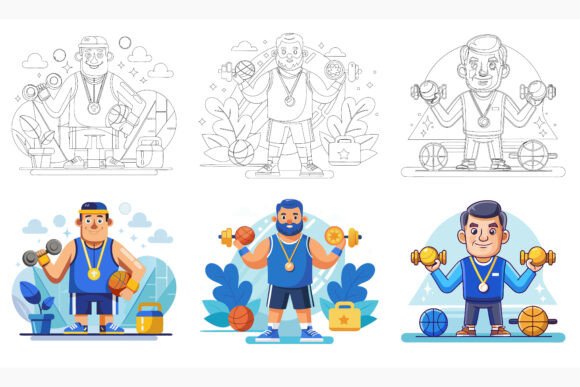
Daily Man Routine Composition refers to a curated set of vector illustrations depicting common daily activities and routines of a male figure. These illustrations are packaged as an AI EPS collection, which typically includes three variations of each scene, along with a JPG preview. The set is designed to be edited and customized across both Mac and Windows platforms, with a clean file and layer structure aimed at making modifications straightforward. For designers, content creators, and marketers, such a collection offers a visual shorthand for representing everyday life, productivity, self-care, or work habits in a consistent, stylized manner.
Rather than being a single image, Daily Man Routine Composition is a small library of scenes that can be dropped into projects, resized, recolored, or otherwise adapted. The emphasis on organized layers and consistency in detail means these illustrations are intended to function as building blocks within larger design systems rather than standalone pieces. This framing is important for anyone evaluating whether to invest time or resources in acquiring such a set.
Why Might Someone Evaluate This Illustration Collection?
People researching Daily Man Routine Composition typically fall into several categories. Freelance graphic designers often look for vector sets that can speed up project turnaround. Marketing teams may need visual assets for blog posts, social media, or infographics that illustrate routines or workflows. App developers and UI designers sometimes require simple, consistent icons or illustrations for onboarding screens or feature highlights. Even educators or content creators producing informational materials about habits, productivity, or lifestyle may find value in a ready-made visual vocabulary.
The appeal lies in saving time. Commissioning custom illustrations from scratch is expensive and slow. Using a generic stock photo can feel impersonal or inconsistent with a brand's visual identity. A well-organized AI EPS set promises a middle ground: pre-made art that still allows for customization. The three variations per scene add flexibility without overwhelming the user with too many options.
What Makes This Type of Asset Distinctive
A key differentiator of Daily Man Routine Composition is the structural quality of the files. The claim of a "neatly organized file and layer structure" is not trivial. In practice, this means each element of an illustration—the figure's arm, the object being held, the background shape—resides on a separate, clearly labeled layer. For someone comfortable with Adobe Illustrator or similar vector editing software, this makes changing colors, swapping components, or adjusting proportions a matter of seconds rather than hours.
The inclusion of both AI (Adobe Illustrator) and EPS (Encapsulated PostScript) formats ensures compatibility with older and newer software versions, as well as cross-platform use between Mac and Windows. The JPG versions serve as quick previews or direct-use images when vector editing is unnecessary. This multi-format approach reduces friction for teams with mixed workflows.
Consistency in detail is another factor worth evaluating. When a set of illustrations shares the same line weights, color palette, and level of detail, they can be used together without visual dissonance. This is especially important for infographics, where multiple panels must feel cohesive, or for app interfaces, where illustration style should not distract from usability.
Benefits and Practical Strengths
For projects where a human figure performing routine actions is central—such as a fitness app showing a man exercising, a productivity blog illustrating morning habits, or a workplace infographic depicting a typical workday—this collection provides immediate visual content. The ability to edit colors means the illustrations can be adapted to match brand guidelines without requiring a redesign. Layer organization reduces the learning curve for new team members who may need to modify assets later.
The three-variation model offers depth without bloat. A single concept, such as "waking up," can be presented in slightly different poses or settings, giving the designer room to choose what fits the layout best or to show progression across a sequence. This is useful for step-by-step guides or timeline visuals.
Because the files are vector-based, scaling is not an issue. The same illustration can be used as a small icon in a mobile interface or blown up for a poster without losing quality. This versatility makes the set suitable for print, web, symbols, apps, and infographics, as described in the product specifications.
Tradeoffs and Considerations
Despite these advantages, there are tradeoffs worth weighing. The most obvious is that the illustrations depict a specific type of figure: a male character. For projects requiring diverse representation—such as a wellness brand targeting a broad demographic or an HR document aiming for inclusivity—this single-gender focus may limit applicability. Designers would need to assess whether the visual style and subject matter align with their audience's expectations and values. In some cases, supplementing this set with other collections or custom work may be necessary.
Another consideration is style lock-in. A highly consistent illustration set, while cohesive, can also feel generic if used widely. Many vector sets share similar aesthetics, and a brand that relies heavily on such assets may risk looking like others in the same space. Differentiation often requires either deep customization of the illustrations or combining them with unique design elements such as typography, color gradients, or photography.
Editing vectors, while simplified by good layer structure, still requires technical skill. Someone without experience in Adobe Illustrator or similar vector tools may find even basic modifications challenging. For teams without a dedicated designer, the learning curve could offset the time savings. The JPG versions offer a workaround but forfeit the customization benefit.
File management is another subtle factor. Three variations per scene, across multiple formats, can lead to a cluttered asset library if not organized carefully. Naming conventions and folder structures matter. Without a system, users may spend time hunting for the right file.
When This Collection Is a Strong Fit
Daily Man Routine Composition is particularly well-suited for small to medium-sized projects where budget and timeline constraints rule out custom illustration. A startup creating a landing page for a productivity tool, a fitness coach building a lead magnet, or a content creator producing a series of Instagram posts about daily habits would all benefit from a ready-made, customizable set. The consistency across variations allows these users to maintain a professional look without hiring an illustrator.
It is also a strong fit for internal documentation or training materials where visual consistency matters more than artistic distinctiveness. Human resources teams, operations managers, or educators creating process guides can use the illustrations to make instructions clearer while keeping production costs low. The ability to recolor elements to match internal brand colors adds a layer of polish that generic clip art often lacks.
For designers who already work within a defined visual system—say, a minimalist style with flat vectors and a limited color palette—this collection can integrate smoothly. The file structure allows for batch editing, so a designer could open all files, apply a global color change, and have a cohesive set in minutes.
When Alternatives May Be Worth Considering
For projects requiring a high degree of originality or a unique brand voice, a generic illustration set may feel limiting. A luxury brand, a cutting-edge tech company, or a publication with a distinctive visual identity may find pre-made illustrations clash with their aesthetic. In these cases, custom illustration or a subscription to a more diverse and expansive asset library might be a better investment.
If the target audience includes women, non-binary individuals, or a wide range of age groups and body types, a single male character set will fall short. A more inclusive option would be a collection that offers multiple characters, or better yet, a design approach that uses abstract or symbolic visuals rather than human figures. Alternatively, pairing this set with silhouettes or icon sets that represent different demographics could broaden its usefulness, but that adds complexity.
Software compatibility is rarely an issue with AI and EPS, but teams that work entirely in browser-based tools such as Figma or Canva may find vector files less convenient. While EPS files can be converted, the process adds friction. For these users, a PNG or SVG set might be more practical. Similarly, if the project is purely for web use and does not require printing, the vector advantages are less pronounced, and a lighter format may suffice.
Budget is also a factor. While illustration sets are generally affordable compared to custom work, there are free alternatives available. Open-license vector collections and icon libraries can provide similar content at no cost, though often with less consistency or fewer variations. The time saved by using a paid set must be weighed against its cost.
Practical Decision-Making Insights
When evaluating Daily Man Routine Composition, start by mapping the illustrations to specific use cases in your pipeline. Count how many scenes you actually need and whether the three variations per scene add value or just volume. If you only need one image, a single purchase or a free alternative might be more efficient. If you need a series of consistent images, the set structure becomes more valuable.
Test the editing workflow. If you have access to the software, download a sample file if available and try making a simple color change. This will reveal how intuitive the layer structure really is for your skill level. If the process feels smooth, the set will likely save you time. If it feels cumbersome, consider whether the investment in learning the file structure is worthwhile.
Consider the long-term use. Will these illustrations still fit your brand or project in six months? Vector sets are timeless in the sense that they can be updated, but the style may date. Choose a set whose aesthetic has lasting appeal rather than one tied to a fleeting trend. Simple, clean illustrations with neutral poses tend to age better than highly stylized or exaggerated designs.
Think about scalability across a team. If multiple people will access and edit these files, clear naming and documentation matter. Ensure that the file structure is intuitive enough for colleagues who may not be as familiar with vector editing. A brief internal guide on how to use the layers can prevent frustration and maximize the asset's value.
Aligning the Collection With Your Goals
Daily Man Routine Composition is a practical tool for specific situations. It excels when you need consistent, editable illustrations of a male figure performing daily routines, and when you have the technical ability or team support to customize them. Its organized file structure and multi-format availability reduce common pain points associated with vector asset use. However, its single-character focus and reliance on a specific visual style mean it is not a universal solution.
For a designer tasked with building a routine-themed infographic series under a tight deadline, this set offers a clear path forward. For a brand manager seeking inclusive, original visuals for a global campaign, the limitations may outweigh the benefits. Evaluating your own project requirements—audience diversity, customization depth, team skills, and long-term fit—against the strengths and tradeoffs of this collection will guide you toward the right decision. Buying an illustration set should feel like gaining a useful tool, not like compromising on quality or relevance. With the right match, it can streamline your workflow and elevate your visual output.