Mirror Hand Draw: A Strategic Design Resource for Professionals and Creators
In an era where visual communication defines brand perception and audience engagement, the tools you choose matter more than ever. Mirror Hand Draw is not merely a decorative asset—it is a deliberately crafted illustration style that brings hand-drawn authenticity to digital and print environments. For entrepreneurs, marketers, educators, and creators who need to convey ideas with clarity and personality, understanding what Mirror Hand Draw offers and how to deploy it strategically can make a meaningful difference in how your work is received and remembered.
This article explores the practical value of Mirror Hand Draw, when and why to use it, and how to integrate it into your workflow with intention rather than impulse. Whether you are designing a presentation, building a brand identity, or creating educational materials, thoughtful use of this resource can support your goals without introducing noise or misalignment.
What Mirror Hand Draw Brings to Your Work
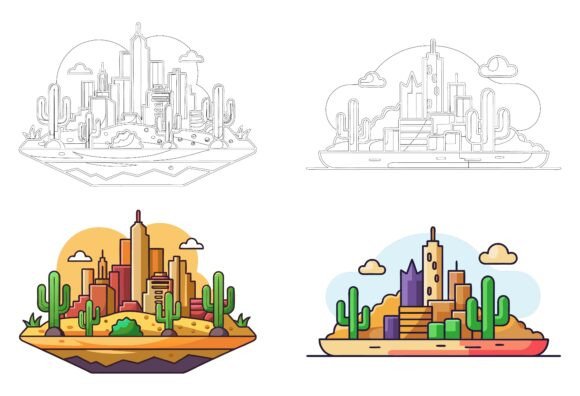
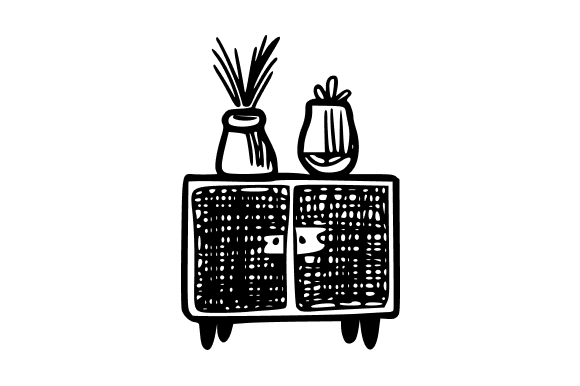
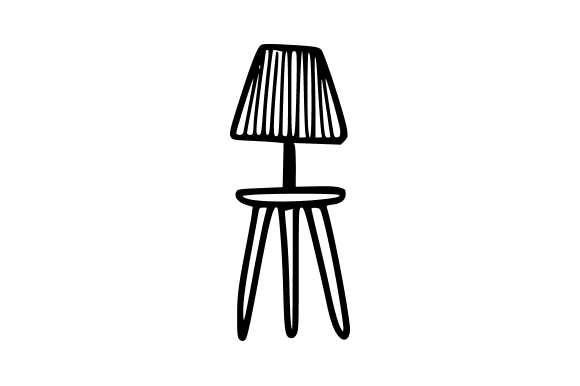
At its core, Mirror Hand Draw refers to a collection of hand-drawn-style illustrations that carry a reflective, balanced aesthetic. The term suggests not only the visual technique of mirrored symmetry but also the thoughtful repetition of form that gives illustrations a cohesive, polished feel. When you mirror hand draw this illustration, you are working with artwork that feels organic yet structured—a combination that is surprisingly difficult to achieve with purely digital tools.
The practical formats provided—SVG, EPS, JPG, and Transparent PNG—mean you can use Mirror Hand Draw across nearly any medium without sacrificing quality. Scalable vector formats preserve crisp lines for large-format print and responsive web design, while raster formats with transparency allow for seamless layering in presentations, infographics, stickers, and promotional materials. This flexibility reduces friction between ideation and final output, which is especially valuable for solo entrepreneurs and small teams who cannot afford time lost to format conversion or resolution issues.
Strategically, Mirror Hand Draw occupies a useful middle ground. It is not so abstract that it confuses viewers, nor so literal that it limits interpretation. This makes it suitable for contexts where you need to communicate complex ideas with warmth—think educational diagrams, workflow visuals, or brand illustrations that need to feel approachable without being childish.
Aligning Visual Style with Strategic Goals
Every design decision should trace back to a purpose. Mirror Hand Draw supports several common strategic objectives, but only when you choose it deliberately rather than because it happens to be available. Consider how this illustration style aligns with your specific goals:
- Brand differentiation: In crowded markets, hand-drawn visuals signal craftsmanship and human attention. If your brand positions itself as thoughtful, independent, or detail-oriented, Mirror Hand Draw can reinforce that identity without additional explanation.
- Communication clarity: When explaining a process, a mirrored hand-drawn diagram can guide the eye naturally from left to right or center outward. The symmetry helps viewers anticipate structure, reducing cognitive load.
- Emotional resonance: Audiences respond differently to hand-drawn elements than to purely geometric or photographic imagery. The slight imperfections and natural flow of hand-drawn lines create a sense of authenticity that can improve trust and recall.
- Consistency across touchpoints: Because the files are delivered in vector and raster formats, you can maintain visual coherence from your website to your printed brochures to your social media graphics. This consistency is a hallmark of professional branding.
Before using Mirror Hand Draw, ask yourself: Does this illustration clarify or complicate the message I am trying to send? If it supports understanding, it belongs in your materials. If it merely decorates, you may be adding visual weight without strategic return.
Practical Applications Across Professional Contexts
The versatility of Mirror Hand Draw makes it applicable to a wide range of use cases. Below are several scenarios where this resource can deliver tangible value.
Print Design for Marketing and Promotion
Printed materials—flyers, posters, business cards, and packaging—often benefit from a tactile, human feel. Mirror Hand Draw illustrations work well in these settings because they retain detail at various scales. A mirrored hand-drawn border or icon can frame content effectively without overwhelming it. For promotional campaigns, you can use the SVG or EPS files to scale the artwork for large banners while maintaining the same visual quality on smaller handouts.
Web Design and Digital Presence
On websites and landing pages, hand-drawn elements can break up dense text blocks and guide user attention. The transparent PNG format is especially useful here, as it allows you to overlay illustrations on background colors or images without awkward edges. For hero sections or call-to-action areas, a well-placed Mirror Hand Draw element can add a focal point that feels intentional rather than stock. Keep in mind that digital performance matters—optimize the file size of your chosen format to avoid slowing page load times.
Presentations That Persuade
Presentations are often judged by how well they hold attention. Mirror Hand Draw can serve as a visual anchor that keeps your audience oriented. For example, a mirrored illustration of a branching process or a balanced scale can reinforce your talking points without requiring extra text. Use it sparingly—one or two strategic illustrations per deck—to maximize impact and avoid visual clutter.
Infographics and Educational Materials
When your goal is to teach or explain, clarity is paramount. Mirror hand draw this illustration approach lends itself to infographics because the symmetry helps viewers organize information spatially. You can use the SVG files to customize colors or elements to match your data, while maintaining the hand-drawn aesthetic that keeps the graphic approachable. Educators and trainers will find this useful for worksheets, guides, and visual aids that need to communicate procedures or relationships.
Stickers and Promotional Merchandise
For businesses that produce branded merchandise, stickers remain one of the most cost-effective promotional tools. The transparent PNG files allow you to print Mirror Hand Draw illustrations on various surfaces without background interference. Because the style is hand-drawn, it often photographs well on products, making it suitable for social media unboxing or user-generated content campaigns.
How to Approach Mirror Hand Draw with Intention
Using a design resource effectively requires more than selecting a file and dropping it into your project. Here is a practical framework for integrating Mirror Hand Draw into your workflow.
Evaluate the Context First
Consider the medium, the audience, and the message. A hand-drawn illustration may be perfect for a creative agency’s website but less appropriate for a legal firm’s annual report. If your audience expects a certain level of formality, test the illustration in context before committing. You can often preserve the human touch while adjusting color, scale, or placement to suit the tone.
Customize When Possible
The vector formats (SVG and EPS) allow you to modify colors, shapes, and sizing without losing quality. If Mirror Hand Draw elements come in a default color palette, consider adapting them to your brand guidelines. This simple step transforms a generic resource into a branded asset. Even minor adjustments—changing stroke weight or fill color—can make the illustration feel uniquely yours.
Plan for Consistency Across Projects
If you plan to use Mirror Hand Draw across multiple materials, decide on usage rules early. Will you use the same illustration on your homepage, your presentation deck, and your product packaging? Or will you vary the elements while keeping the hand-drawn style consistent? Documenting these decisions prevents visual drift and ensures that your design language remains coherent over time.
Test Legibility at Different Sizes
Hand-drawn illustrations can lose detail when scaled down or become overwhelming when scaled up. Before finalizing, view your design at the sizes it will actually be seen. For web use, check mobile and desktop views. For print, request a proof at actual size. Adjust the file or the layout if the illustration no longer reads clearly.
Risks of Using Mirror Hand Draw Without Clear Goals
No design resource is neutral. Using Mirror Hand Draw without a clear purpose can introduce several problems that undermine your work.
- Visual inconsistency: If you combine hand-drawn elements with highly polished or photographic imagery without a clear rationale, the contrast can feel jarring rather than deliberate. This can reduce the perceived professionalism of your materials.
- Message dilution: When illustrations are added purely for decoration, they compete with your core message. Audiences may remember the style but miss the substance. Ask yourself whether the illustration supports or distracts from your primary goal.
- Overuse and fatigue: Applying the same illustration style across too many touchpoints can make your brand feel repetitive rather than cohesive. Strategic restraint—using the resource only where it adds meaning—preserves its impact.
- Misalignment with audience expectations: Not every audience responds positively to hand-drawn visuals. If your demographic expects sleek, minimalist, or data-heavy presentations, a prominent hand-drawn illustration may feel out of place. Research your audience’s preferences before committing.
These risks are not reasons to avoid Mirror Hand Draw. They are reasons to use it thoughtfully, with awareness of context and purpose.
Long-Term Value: Building a Visual Library That Works
One of the most strategic uses of Mirror Hand Draw is as part of a growing visual library. Over time, having a consistent set of hand-drawn illustrations that you can deploy across projects saves time and reinforces brand recognition. Each time you use the style, you strengthen the association in your audience’s mind between your brand and the qualities the illustrations convey: care, creativity, human connection.
To build this library effectively, start with a small set of high-quality assets and expand only as needed. The files you receive—SVG, EPS, JPG, Transparent PNG—give you a strong foundation. Organize them by theme or use case so that you can find and reuse them quickly. As your needs evolve, you can commission or create additional illustrations that match the original style, maintaining continuity without starting from scratch.
For freelancers, bloggers, and small business owners, this approach transforms a one-time resource into a long-term asset. Instead of searching for new visuals for every project, you draw from a curated library that already aligns with your brand and message.
Making the Decision: Is Mirror Hand Draw Right for You?
To determine whether Mirror Hand Draw fits your current project or overall strategy, consider the following questions:
- Does the illustration style support the tone I need? If you aim for warmth, approachability, or creativity, hand-drawn visuals are likely a good fit. If you need authority, precision, or formality, proceed with caution.
- Can I integrate the files efficiently? The provided formats cover most standard workflows. Ensure your design tools can handle SVG or EPS if you plan to customize, or confirm that the PNG resolution meets your print quality requirements.
- Will this illustration be used more than once? If yes, invest the time to customize and document it properly. If it is a one-off project, lightweight use may be sufficient.
- Is the illustration adding meaning or merely ornament? If you cannot articulate what the illustration communicates, reconsider its placement. Every element in your design should earn its place.
Answering these questions honestly will guide you toward using Mirror Hand Draw as a strategic tool rather than a random addition.
Final Considerations for Practitioners
Mirror Hand Draw offers a distinctive visual language that can enhance print, web, presentation, promotion, and educational materials. Its real value emerges when you treat it as part of a broader communication strategy rather than a standalone graphic. By thinking through your goals, your audience, and your brand identity before you place the illustration, you ensure that every use reinforces the outcomes you care about.
Mirror hand draw this illustration with purpose, and you give your audience a reason to pause, understand, and remember. That is the difference between decoration and design that works.