Circle Technology in Design: Evaluating the Role of Circular Design Elements
When building visual content, the smallest design choices often carry the greatest impact. Among these, the use of circular shapes has become a defining feature in modern graphic design, interface development, and branding. The concept often referred to as Circle Technology describes both the aesthetic use of circular motifs and the technical systems used to produce, scale, and integrate these elements across digital and print media. Whether you are designing a logo, assembling a scrapbook page, or structuring a presentation, understanding how to evaluate circular design elements can help you make better creative decisions.
This article explores what Circle Technology means in practice, why designers and content creators turn to these assets, and how to determine whether a collection of circle-based elements fits your specific project needs. It also covers common tradeoffs, practical considerations, and situations where alternative approaches may serve you better.
What Circle Technology Means in Practice
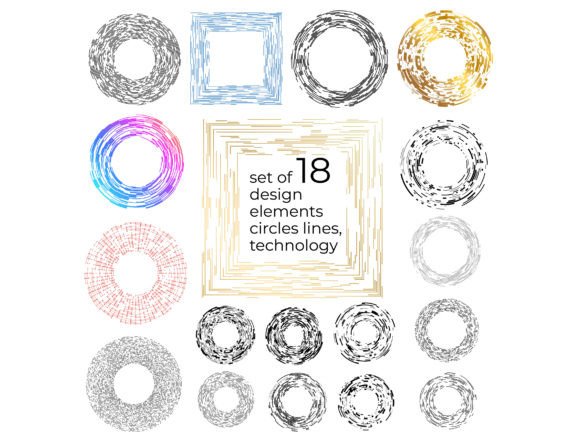
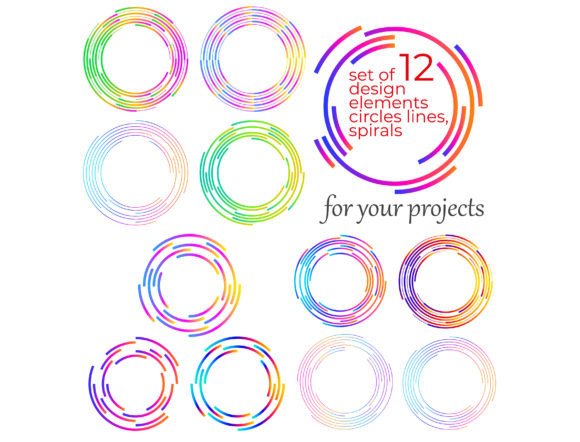
In the context of design resources, Circle Technology refers to a curated set of circular graphic elements—such as rings, dots, arcs, segmented circles, and geometric patterns—that are delivered in scalable vector formats, most commonly EPS files. These elements are designed to be versatile enough for use across a wide range of media, from printed packaging and interior wall art to mobile app interfaces and educational infographics.
The term also implies a level of technical precision. Because these assets are typically constructed using vector paths, they can be resized without loss of quality, making them suitable for both small-scale digital use and large-format printing. A typical delivery includes a zip archive containing multiple EPS files, each representing a distinct design element or theme. Some collections also include preview images or style guides to help users match elements to their project's tone.
It is important to note that Circle Technology is not a proprietary software platform or a hardware system. Instead, it describes a category of design assets that prioritize circular geometry, symmetry, and modularity. Understanding this distinction helps you evaluate whether such a collection aligns with your workflow and output requirements.
Why Designers and Creators Are Interested in Circular Design Elements
Circular shapes carry a unique visual psychology. They are often associated with unity, continuity, and balance. In branding, circles can convey trust and inclusivity. In user interface design, they help guide the eye and create a sense of flow. For these reasons, many designers actively seek out pre-made circular elements to speed up their workflow while maintaining a polished, cohesive look.
Beyond aesthetics, there are practical motivations. A well-organized set of circle-based graphics reduces the time spent drawing shapes from scratch. Instead of constructing concentric rings or perfect arcs manually, you can drop a ready-made element into your project and adjust its color, scale, or rotation. This efficiency is especially valuable when working under tight deadlines or when producing multiple variations of a single design.
Additionally, the growing trend of geometric minimalism in interior design, packaging, and digital branding has increased demand for clean, repeatable circular motifs. A single set of elements can be reused across an entire brand identity—from business cards to website headers—creating visual consistency without requiring custom illustration for every application.
Benefits of Using a Circle Technology Asset Collection
One of the most immediate benefits is the reduction of repetitive work. Instead of drawing circles, rings, and arcs manually in your vector software, you can import pre-built elements and focus on composition and color. This is especially helpful for projects that require multiple variations of a circular motif, such as a series of social media templates or a set of product labels.
Another advantage is the inherent scalability of vector files. Because EPS files are resolution-independent, you can use the same element on a business card and a billboard without sacrificing sharpness. This flexibility makes a single collection suitable for both digital and print workflows, reducing the need to maintain separate assets for different output formats.
Many collections also include elements designed with modularity in mind. You can combine rings, dots, and partial arcs to create custom compositions—building unique logos, borders, or background patterns without needing advanced illustration skills. This modular approach supports experimentation and rapid prototyping, which is valuable during the early stages of a project.
For teams, using a standardized set of elements helps maintain brand consistency. When multiple designers work on the same project, having a shared library of circular assets ensures that all outputs share a common visual language. This reduces the risk of visual drift and streamlines the review process.
Tradeoffs and Considerations to Keep in Mind
While pre-made circular elements offer clear advantages, they also come with limitations that are worth evaluating before making a purchase or integrating them into a professional workflow.
Lack of uniqueness. Because the same asset set may be used by many designers, there is a risk that your project could end up looking similar to others that use the same elements. If your goal is to create a highly distinctive brand identity, relying solely on a pre-made collection may not be sufficient. In such cases, you may want to use the elements as a starting point and customize them extensively—altering proportions, adding unique colors, or combining them with original illustrations.
File format compatibility. EPS files are widely supported, but not all software handles them equally well. If you work primarily in a web-first design tool or a mobile app, you may need to convert files before use. Some collections also include AI (Adobe Illustrator) or SVG versions, but if your workflow relies on a specific format, it is worth confirming compatibility before purchasing.
Over-reliance on vector assets. Not every project benefits from strict geometric precision. In some cases, hand-drawn or organic shapes may better suit the intended mood. If your design brief calls for a rough, textured, or irregular look, a polished set of circular vectors may feel out of place. Evaluating the tone of your project ahead of time helps you decide whether geometric elements are the right fit.
License constraints. Always review the license terms that accompany a Circle Technology asset set. Some collections are licensed for personal use only, while others permit commercial use but restrict resale of the raw elements. If you are designing for a client or planning to sell your finished work, understanding these terms is essential to avoid legal issues.
When Circle Technology Is a Strong Fit
Certain types of projects naturally lend themselves to circular design elements. Recognizing these scenarios can help you determine whether investing in a collection makes sense for your workflow.
- Brand identity and logo design. Circular logos are among the most recognizable and versatile formats. Pre-made rings and arcs can serve as structural guides or decorative accents, especially for badges, emblems, and monogram-style marks.
- Packaging and label design. Product labels, hang tags, and circular stickers benefit from precise, scalable geometry. A set of concentric rings or dotted borders can add sophistication to packaging without requiring custom illustration.
- Web and mobile UI elements. Buttons, avatars, progress indicators, and notification badges all rely on circular shapes. Using a consistent set of vector circles helps maintain visual harmony across screens and devices.
- Infographics and data visualization. Circular diagrams, donut charts, and radial layouts are common in educational and corporate materials. Pre-built arcs and segments save time during layout construction.
- Interior design and wall art. Mirrored circle patterns, mandala-like motifs, and geometric wall decals often originate from vector files. An EPS collection can be scaled to any size and printed on various materials, from vinyl to canvas.
- Scrapbooking and card making. For personal projects, having a library of decorative circles eliminates the need to cut shapes by hand. The precision of vector files ensures clean edges and consistent sizing.
Situations Where Alternatives May Be Worth Considering
No single design resource is right for every situation. There are several circumstances where a pre-made circle element collection may not be the most effective choice.
- When you need highly custom or organic shapes. If your project calls for irregular, hand-drawn, or asymmetrical forms, a library of perfect geometric circles will feel mismatched. In these cases, custom illustration or a brush-based approach may yield better results.
- When your budget is very limited. High-quality asset collections cost money. If you are experimenting with a concept and are unsure whether you will use the elements long-term, free vector resources or basic shape tools in your existing software may be a more practical starting point.
- When your team uses non-standard software. If your workflow relies on tools that do not support EPS or SVG import, or if file conversion creates friction, a collection designed for a specific program may be more efficient. Some designers prefer to build their own asset library within their primary application to avoid compatibility issues.
- When brand differentiation is critical. For brands that compete in crowded markets, using off-the-shelf design elements can dilute distinctiveness. If your priority is to create a completely original visual identity, investing in custom illustration or typography may be a better use of resources.
Practical Decision-Making Insights
To determine whether Circle Technology elements align with your goals, start by mapping out your project's specific requirements. Consider the output medium, the level of customization you need, the timeline, and the budget. If your project demands speed and consistency across multiple deliverables, a pre-made collection can be a strong asset. If uniqueness and originality are your primary concerns, you may want to use the elements as a foundation rather than a final solution.
Another useful step is to review the contents of a collection before purchasing. Many vendors provide preview images that show the range of elements included. Look for diversity in stroke weight, scale, and complexity. A good collection offers more than just basic circles—it includes rings, segmented arcs, dotted lines, and decorative patterns that can be layered and combined. The presence of multiple styles within a single set increases the likelihood that you will find elements suitable for different parts of your project.
It is also worth considering how the elements will be stored and accessed. If you work across multiple computers or collaborate with a team, having a centralized, well-organized folder structure is important. EPS files are typically large, so ensure that your storage and version control systems can handle them. Some designers prefer to convert frequently used elements into SVG format for lighter, web-friendly versions.
Finally, evaluate the license terms with your specific use case in mind. If you are creating commercial products—such as logo designs for clients, printed merchandise, or digital templates for sale—confirm that the license permits commercial use and derivative works. When in doubt, contact the vendor directly for clarification. This step is often overlooked but can save significant time and expense later.
Aligning Circle Technology with Your Workflow and Goals
The decision to incorporate Circle Technology into your toolkit ultimately depends on the type of work you do and the level of control you require over your design assets. For designers who frequently produce branded materials, user interfaces, or printed collateral, a well-curated set of circular elements can serve as a reliable foundation that accelerates production without sacrificing quality. The ability to scale, recolor, and combine elements makes these collections suitable for a wide range of applications, from professional client work to personal creative projects.
At the same time, it is important to treat these assets as tools rather than shortcuts. The best results come from thoughtful composition—selecting the right element for the right context, adjusting it to fit the overall design language, and combining it with original content when appropriate. A circle element that is simply dropped into a layout without consideration for balance or contrast will not elevate the design. But when used deliberately, it can add structure, rhythm, and clarity.
For those who are new to using vector assets, starting with a Circle Technology collection can also serve as a learning tool. By examining how professional elements are constructed—how strokes are aligned, how arcs are segmented, how negative space is managed—you can develop a better understanding of geometric composition. Over time, this knowledge can inform your own custom work and help you make more informed decisions when selecting or creating design elements.
In summary, Circle Technology is best understood as a practical resource for designers who value efficiency, consistency, and geometric precision. It is not a substitute for original thinking, but it can support and accelerate the creative process when used with clear intent. By evaluating your project's specific needs, understanding the limitations of pre-made assets, and choosing a collection that aligns with your technical and stylistic requirements, you can make an informed decision that supports your design goals.